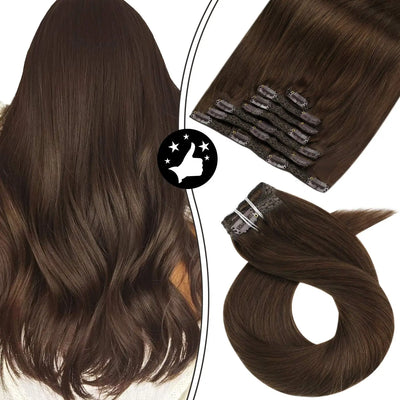
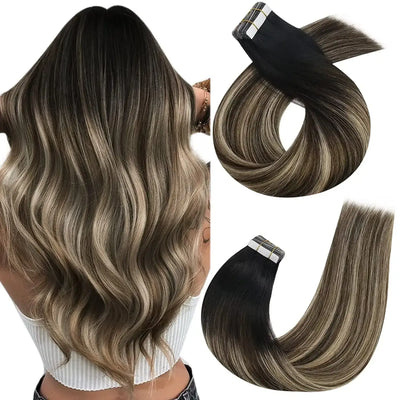
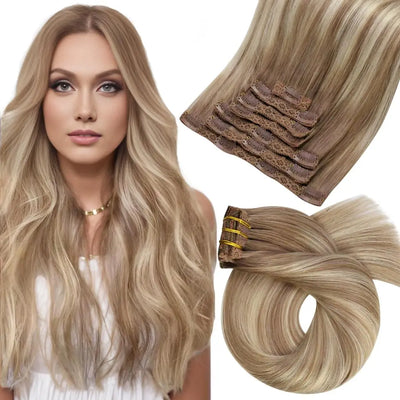
Mix & Match 2 → 10% Off
Mix & Match 3 → 15% Of
Mix & Match 4 → 20% Off
Skip Expensive Salon Visits Get the Same Look at Home
Achieve fuller, longer hair in minutes without spending hundreds at the salon.
Natural-Looking Hair That Blends Seamlessly
Designed to move, feel, and look just like your real hair so no one can tell the difference.
At Silkara, we believe great hair should feel as natural as it looks. Every extension in our collection is crafted from 100% Remy Human Hair — the same direction, same cuticle, same quality from root to tip. That means no tangling, no matting, and a seamless blend that even your closest friends won't notice.
100% Remy Human Hair
Same cuticle direction from root to tip — no tangling, no shedding, just natural movement every day.
40+ Shades Matched to You
Our free Colour Match quiz finds your exact shade so your extensions blend seamlessly — every time.
Australian Women, Australian Standards
Designed and tested for Australian hair types, humidity, and lifestyles — not made for someone else's market.
Wear It Today, Love It Tomorrow
Same-day dispatch before 12PM. Fast tracked delivery. Easy 14-day returns. We make the whole experience effortless.
"Watch Real Women Transform Their Hair With Silkara."
See how easy it is to go from flat to full, thin to thick instantly.
Before & After: Silkara Hair Extensions
From flat and thin to full and voluminous — in just minutes.
Trending Now
See what everyone is loving right now.
From Sydney, With Love. 🇦🇺
Silkara Hair began in Sydney, Australia, with a simple mission: to make beautiful, voluminous hair accessible to everyone, instantly.
We noticed a gap in the market. Salon extensions were prohibitively expensive and often damaging. We set out to change that.
Today, we offer the best of both worlds: our signature Japanese Fiber for affordable, everyday glam, and our Premium 100% Remy Human Hair for the ultimate luxury experience. Whether you're looking for a quick confidence boost or a long-term investment, we have the perfect match for you.
Everything You Need to Know.
Can't find what you're looking for? Our team is always happy to help — reach us via live chat or email and we'll get back to you within a few hours.
How do I know which hair extension is right for me?
It depends on your hair goals! If you want quick volume and length, our halo and clip-ins are perfect for beginners. For a more permanent solution, tape-ins are great. You can also get a free colour match here 🎨
Is the hair real or synthetic?
Great question – we offer both, and each has its own amazing benefits!
💫 Our synthetic hair isn’t the typical shiny, plastic-looking fiber you may have seen elsewhere. It’s made with a next-generation material designed to look and feel just like real human hair – soft, natural, and beautifully blended. Many of our customers are honestly surprised when they try it – it’s a total game-changer!
✨ It’s also a great option for those who prefer not to wear human hair for personal or energetic reasons. If that’s you, you’ll love how our synthetic pieces give you stunning results – without compromise.
👩🦱 Prefer human hair? Our 100% Remy human hair extensions are among the highest quality in Australia, ethically sourced and salon-worthy. They’re soft, luxurious, long-lasting, and blend flawlessly for that effortless look you’ll fall in love with.
No matter which option you choose – synthetic or human – you’ll feel confident, beautiful, and totally you 💖
Are the extensions suitable for thin & thick hair?
Yes, the extensions are suitable for any hair type.
Can the extensions be reused?
Yes, the extensions can be reused several times.
Can the extensions be curled or straightened?
the extensions are suitable for both curling and straightening. It's important to carefully monitor the heat setting; maintain a temperature range of 160-185°F (71-85°C). At temperatures below 16°F (-9°C), the extensions will remain unaffected, and at temperatures exceeding 185°F (85°C), they risk melting.
Be aware that once the extensions have been curled or straightened, they are not eligible for return.
Is it possible to dye the extensions?
You can also dye your extensions, but we have a large variety of variants, in which everyone should find a suitable variant.
"Your hair journey starts here — and we're with you every step."
The Benefits of Silk for Hair Extensions
Silk can help protect your hair extensions by reducing friction, preventing tangles, and retaining moisture. Unlike cotton, silk provides a smooth surface that’s gentle on extensions, helping them last longer and look better. Here’s why silk is a smart choice: Reduces Friction: Silk’s smooth texture prevents snags and breakage, especially during sleep. Prevents Tangles: Cotton fibres can cause knots, while silk keeps extensions smooth and manageable. Locks in Moisture: Silk doesn’t absorb oils or treatments, keeping extensions hydrated and soft. Protects Bonds: Reduces stress on attachment points like tapes and wefts. Switching to silk pillowcases, bonnets, or scrunchies can significantly improve the lifespan and appearance of your extensions. Choose high-quality mulberry silk with a momme weight of 19–22 for the best results. How Silk Reduces Friction and Prevents Breakage The Science Behind Friction Reduction Silk's fibroin protein gives it a naturally smooth surface, unlike the textured finish of cotton, which tends to grip and catch hair. Cotton's uneven surface can tug at hair strands during sleep, while Mulberry silk allows hair to glide effortlessly, avoiding snags. Hair cuticles are made up of overlapping scales, and rough fabrics can lift these scales, leading to tangles and breakage. Silk, on the other hand, helps keep the cuticles flat and aligned. This is particularly crucial for hair extensions, which lack the natural oils from the scalp that help repair and protect natural hair. Friction creates drag, which can weaken the bonds holding extensions in place. Over time, this can loosen attachments and cause premature shedding. Studies show that the average person moves 40 to 50 times during sleep. Each movement creates tiny friction events, which can add up to significant damage to both your hair and the bonds securing extensions. Using silk nightly can greatly reduce this friction, helping to preserve the health of your extensions and protect your investment. Protecting Extensions While You Sleep A silk pillowcase is a great start for reducing friction, but a silk bonnet offers even better protection by fully enclosing the hair. This prevents extensions from rubbing against shoulders, bedding, or other surfaces that could cause damage during the night. For the best results, choose 22-momme silk. Lower momme weights (such as 12–16) may lose their smooth texture after washing, but 22-momme silk retains its glide, ensuring long-term protection for your extensions. Before going to bed, gently brush your extensions and secure them loosely with a silk scrunchie. Also, avoid sleeping on wet hair to minimise the risk of friction damage further. sbb-itb-08feb2fHow Silk Prevents Tangling and Matting Why Extensions Tangle Without Silk Cotton pillowcases might feel soft, but their coarse fibres can wreak havoc on your hair extensions. As you move during sleep, these fibres grab onto the hair shaft, creating knots and putting unnecessary stress on the bonds or tapes that keep your extensions secure. On top of that, cotton is highly absorbent, which means it pulls moisture and natural oils away from your hair. This leaves extensions dry, brittle, and far more likely to tangle. Unlike your natural hair, extensions don’t benefit from the oils produced by your scalp. Without that natural hydration, they’re more prone to dryness, which makes tangling even worse. Those tangles can quickly escalate into stubborn mats, especially near the roots where the extensions are attached. "Cotton fibres grip the hair shaft as you move during sleep, which can lead to tangles and stress on the bonds or tapes of your extensions." - MYRN Silk Switching to silk can be a game-changer, as it reduces friction and helps retain moisture. Keeping Extensions Smooth with Silk Silk provides a smooth, low-friction surface that lets your extensions glide effortlessly as you sleep. This reduces tugging and snagging, keeping tangles at bay and cutting down on the time you spend detangling in the morning. For all-day protection, silk scarves and bonnets are excellent options. A silk bonnet, in particular, offers full coverage, shielding your extensions from rubbing against your shoulders, clothes, or other surfaces. This is especially handy when travelling or relaxing at home. For the best results, choose silk products with a momme weight between 19 and 22, as this strikes the perfect balance between smoothness and durability. "Since I started wearing a silk bonnet to bed, my tape-in extensions last so much longer. I used to get terrible tangles every morning and now my hair looks smooth and stays in place." - Bella C., Verified Customer Moisture Retention for Hydrated Extensions Why Extensions Need Moisture Unlike natural hair, extensions don’t benefit from the scalp’s natural oils. These oils, known as sebum, are what keep our hair soft and manageable. Extensions, however, are cut off from this natural source of hydration, leaving them entirely dependent on external moisture. Without proper care, they can dry out, becoming brittle, frizzy, and tangled. This dryness weakens the hair strands, making them more prone to breakage and split ends. Silk, however, offers a solution by helping to maintain moisture, ensuring your extensions stay smooth and flexible. How Silk Preserves Natural Oils While cotton pillowcases might feel soft, they can actually strip your hair of moisture overnight. Any leave-in conditioners or serums you’ve applied can end up absorbed by the fabric, leaving your extensions dry and lifeless by morning. "Cotton is naturally absorbent, and pulls essential moisture away from your scalp whilst you sleep. It also contains tiny fibres that can tug at your hair and extensions, causing frizz and breakage." Mulberry Park Silks Silk works in a completely different way. Its smooth, non-absorbent surface helps lock in moisture by keeping oils and conditioning treatments on your hair instead of soaking into the pillowcase. Plus, silk is made from fibroin - a natural protein that’s also found in professional salon treatments. This protein helps maintain hydration, keeping hair moisturised naturally. Switching to 100% mulberry silk pillowcases or bonnets creates the perfect environment for your extensions, helping them retain moisture and stay soft, shiny, and healthy overnight. Benefits of Using Silk For Healthy Hair & Skin Plus Prevent Wrinkles ft. Lilysilk-Beautyklove Silk vs Satin: What's the Difference? Silk vs Satin for Hair Extensions: Material Comparison Chart Silk and satin may look and feel similar, but they are fundamentally different - and understanding these differences is key to maintaining your extensions. Silk is a natural protein fibre derived from silkworm cocoons and contains amino acids that benefit hair. Satin, on the other hand, refers to a type of weave, typically made from synthetic materials like polyester or nylon. Why does this matter? Pure mulberry silk not only provides a smooth surface but also nourishes extensions thanks to its natural proteins. Satin, while smooth, lacks these conditioning properties. As Kendra Cosenza, Brand Manager at Mulberry Park Silks, explains: "The key to understanding why certain fabrics are better for hair than others lies in the science of friction and moisture retention. When we sleep, our hair is in its most vulnerable state." This insight highlights why silk is often the fabric of choice for protecting extensions. Silk offers other benefits as well. It naturally regulates temperature, keeping your scalp cool and comfortable while you sleep. In contrast, synthetic satin can trap heat, leading to sweating that may weaken extension bonds. Silk is also hypoallergenic and resistant to dust mites and mould, which helps maintain the integrity of your extensions over time. When shopping for silk products, look for 100% mulberry silk, not "silky satin" or "silk-feel" fabrics, which are typically made from polyester. For optimal results, choose a momme weight between 19 and 22, with Grade 6A silk being the highest quality. Expect to pay between $67 and $105 for premium 22 momme silk pillowcases, while satin alternatives are usually under $20. Comparison Table: Silk vs Satin Feature Pure Mulberry Silk Synthetic Satin Material Origin Natural protein fibre (silkworm cocoons) Synthetic petroleum-based (polyester/nylon) Friction Reduction Excellent; reduces friction by up to 43% Moderate; smooth but may cause static Moisture Retention High; preserves natural oils and treatments Fair; lacks moisture-absorbing properties Breathability High; regulates temperature naturally Low; traps heat and may cause sweating Hair Health Conditions hair with natural amino acids Provides only a smooth surface Hypoallergenic Naturally hypoallergenic and antimicrobial Not inherently hypoallergenic Care Requirements Delicate; hand washing preferred Machine washable; low maintenance Choosing silk over satin can make a noticeable difference in maintaining the health and longevity of your extensions. How to Use Silk Products with Hair Extensions Building on silk's benefits, here's how to seamlessly incorporate these products into your daily routine. Choosing the Right Silk Products Silk can do wonders for protecting and maintaining your hair extensions, but picking the right products is key. Start with silk pillowcases. These reduce friction by 43% compared to cotton, offering passive protection while you sleep. Look for pillowcases made from 100% mulberry silk with a momme weight between 19 and 22 - this strikes the perfect balance between durability and smoothness. For active sleepers or those with long, thick extensions, silk bonnets are a great option. High-quality 100% mulberry silk bonnets, which typically cost around $55.95, outperform synthetic satin versions by providing superior protection. Silk scrunchies are another must-have. Unlike traditional elastic bands that can snag and damage extension bonds, silk scrunchies hold your hair securely without causing dents or breakage. Similarly, silk headscarves are perfect for wrapping extensions overnight. They help preserve specific styles and prevent frizz while minimising friction and split ends. Daily and Night-Time Care Routines Incorporating silk into your daily and night-time hair care routine can make a big difference in maintaining your extensions. Start your night-time routine by detangling your extensions. Use a soft-bristle or loop brush, working from the ends upward, to gently remove knots and buildup. Once detangled, secure your hair in a protective style. For tape-in extensions, a low, loose bubble ponytail with silk scrunchies minimises stress on adhesive bonds. For weft extensions, divide the hair into two sections and braid loosely to distribute weight evenly. If you wear clip-in extensions, always remove them before bed to avoid unnecessary tugging on your natural hair. To keep your extensions hydrated, apply a small amount of leave-in conditioner to the mid-lengths and ends, as extensions don’t benefit from natural scalp oils. Avoid going to bed with wet extensions, as moisture can cause severe matting and weaken bonds. After drying and detangling, protect your hair by wearing a silk bonnet or wrapping it in a silk scarf. This ensures full coverage and reduces friction during sleep. When travelling, pack a portable silk pillowcase to maintain low-friction sleep no matter where you are. Store silk accessories in breathable bags to prevent humidity buildup, and wash them by hand in cool water using a gentle, enzyme-free detergent. Let them air dry away from direct sunlight to keep the fibres intact. Using Silk Protection with Silkara Hair Extensions Why Silkara Hair Extensions Work Well with Silk Silkara Hair extensions are made from high-quality human hair, which naturally lacks the oils produced by the scalp. This makes silk products an excellent choice for keeping your extensions in top condition and extending their lifespan. Silk contains fibroin, a protein often found in salon treatments, which makes it a great match for premium human hair. Thanks to its non-absorbent nature, silk helps retain moisture and enhances the effects of leave-in treatments. Hair extension expert Shantella Rios highlights the benefits: Your hair is a natural fibre and using 100% silk headscarf is going to protect the hair... There's no friction that's going to cause split ends. Silk’s ultra-smooth texture also reduces tension on attachment points - whether tapes, clips, or wefts - helping extensions stay securely in place and minimising the risk of early shedding. To complement these advantages, Silkara Hair provides accessories designed specifically to protect your extensions. Silkara Hair Accessories for Silk Care Silkara Hair offers a range of accessories to enhance your silk care routine and keep your extensions looking flawless. Detangling brushes: Perfect for gently removing knots before bed, ensuring your extensions are ready for silk protection. Silk scrunchies: These secure your hairstyles without creating unnecessary tension or damage. Silk storage bags: Ideal for keeping clip-ins and fringe pieces smooth and protected when not in use. These accessories work hand-in-hand with silk products to maintain the quality and appearance of your hair extensions. Conclusion Silk products are a great way to protect your hair extensions and help them last longer. The smooth texture of silk reduces friction, which helps protect attachment points and minimises breakage. It also prevents tangling and matting, saving you time and effort detangling in the morning while reducing stress on your extensions. Beyond reducing friction, silk helps retain essential moisture. Since hair extensions don't get natural oils from your scalp, they can easily dry out. Silk's non-absorbent, protein-based fibres help preserve hydration from leave-in treatments, keeping your extensions soft, shiny, and healthy-looking for longer. For the best results, pair quality Silkara Hair extensions with silk pillowcases, bonnets, or scrunchies. This combination of premium human hair and silk care creates the perfect conditions to maintain your extensions between salon visits. In fact, your stylist might notice the difference at your next appointment, as extensions protected with silk often show less wear on bonds and tapes. Incorporating silk into your routine is simple. Start with just one silk product - whether it’s a pillowcase, halo hair extension, or scrunchie - and you’ll quickly notice smoother, more manageable extensions. Using silk not only protects your extensions but also simplifies your daily care routine, keeping your extensions sleek and durable with minimal effort. FAQs Do I need a silk bonnet if I already use a silk pillowcase? Using a silk pillowcase can work well for many people, as it helps reduce friction and keeps frizz under control. However, a silk bonnet offers added protection by completely covering your hair. This limits movement and cuts down friction even more, which is particularly beneficial for curly, textured, or delicate hair types. If you have fine or straight hair, a silk pillowcase alone might do the job. What’s the best momme weight for silk with hair extensions? When it comes to caring for hair extensions, the ideal silk momme weight usually falls between 22 and 25 momme. A 22 momme silk is prized for its softness, which helps minimise friction and tangling. On the other hand, 25 momme silk offers extra durability along with a luxurious texture. Both choices work wonderfully to maintain and protect hair extensions, keeping them in top condition. How do I wash silk pillowcases and bonnets without ruining them? To keep your silk pillowcases and bonnets in top condition, it's best to hand wash them. Use cold to lukewarm water (below 30°C) and a pH-neutral detergent specifically made for silk or delicate fabrics. If you prefer machine washing, select a delicate or silk cycle and stick to cold water. Steer clear of regular detergents, bleach, or fabric softeners, as these can harm the fabric. After washing, gently press out excess water without wringing and let the items air dry. Lay them flat or hang them in a shaded spot to preserve their quality. Related Blog Posts Hair Extension FAQ: Top Questions Answered How to Detangle Hair Extensions Without Damage Fringe Hair Extensions: Try Bangs Without the Chop Weft hair extensions, use case, types and benefits
Learn moreWeft hair extensions, use case, types and benefits
Weft hair extensions are long strips of hair sewn or bonded together horizontally, designed to blend naturally with your hair. They add length, volume, and distribute weight evenly to minimise damage. Depending on your hair type, you can choose from Machine, Hand-Tied, or Genius wefts: Machine wefts: Thick and durable, great for dense or coarse hair. Hand-tied wefts: Thin and lightweight, ideal for fine or fragile hair. Genius wefts: A middle ground offering flexibility and comfort. Each type suits different hair densities and textures, with proper care extending their lifespan up to 12 months. Maintenance every 6–8 weeks ensures they stay secure and natural-looking. Whether you want subtle volume or dramatic length, weft extensions offer a practical way to enhance your style. Types of Weft Hair Extensions Weft Hair Extensions Comparison Guide: Machine vs Hand-Tied vs Genius Choosing the right weft hair extensions depends on factors like your hair density, scalp sensitivity, and styling preferences. Each type offers its own benefits, from the durability of machine wefts to the lightweight feel of hand-tied options. Machine weft extensions are created using industrial machines that sew hair onto a reinforced fabric strip. These wefts are about 3–5mm thick, making them the most durable option. They can hold a high hair density, delivering maximum volume. Their adjustable width allows them to fit various head shapes, making them ideal for thick or coarse hair with strong roots. However, they can feel heavy on finer hair and may be noticeable through thinner sections. Hand-tied weft extensions are meticulously crafted by hand, with individual hair strands tied onto a thin thread. This results in an extremely thin profile of just 1–2mm. Creating a single hand-tied weft can take 2–4 hours of manual work, which increases their cost by 40–80% compared to machine wefts. These wefts lay flat against the scalp, offering a discreet look and reduced tension on delicate roots. However, they cannot be cut, as cutting them will cause the knots to unravel, and they require gentle care to prevent shedding. Genius weft extensions combine the best features of machine and hand-tied wefts. They are machine-made but on an ultra-thin base, mimicking the flat, comfortable fit of hand-tied wefts. At 2–3mm thick, they strike a balance between durability and a lightweight feel. Unlike traditional hand-tied wefts, genius wefts can usually be cut to size without fraying, and they avoid the short, return hairs that can irritate the scalp. To choose the right weft for your hair density, use the ponytail rule: If your natural ponytail circumference is under 5cm, go for hand-tied wefts. If it’s over 8cm, machine wefts are more suitable. For medium density (5–8cm), genius or hand-tied wefts are usually the best options. The next section will explore how to use each type for the best results. sbb-itb-08feb2fWhen to Use Weft Hair Extensions Picking the right weft extensions depends on your hair's density, texture, and strength. These factors influence both the type of extension that will blend seamlessly and how much weight your roots can comfortably handle. For Fine Hair If your hair is fine or thin, hand-tied or Genius wefts are your best bet. These wefts are ultra-thin (just 1–2mm), making them discreet and gentle on fragile roots. For first-time installations, keep the total weight under 70g to avoid stressing your hair. While machine wefts are sturdy, they can feel too bulky and heavy for fine hair. Maintenance is key - schedule touch-ups every 6–10 weeks to move the wefts up as your hair grows. This keeps them secure and invisible. For Thick or Voluminous Hair If your hair is naturally thick or coarse, machine wefts are the way to go. These wefts are heavier and provide the density needed to blend with full, voluminous hair. They add noticeable fullness without being overwhelmed by your natural texture. You can choose from various weights, ranging from 50g for a subtle boost to over 120g for a bold, dramatic look. Thick hair can handle the extra weight, allowing for more transformative results. For Textured or Curly Hair For curly or wavy hair, it’s all about matching the texture. Opt for pre-textured wefts made from 100% human Remy hair. These extensions mimic natural movement and can be styled with heat to align perfectly with your curl pattern. To ensure a flawless blend, compare the wefts to your natural hair in daylight for a precise colour and texture match. This prevents the extensions from looking out of place or hanging awkwardly. In Australia, weft extensions are especially loved for enhancing relaxed, beachy waves and adding volume to effortlessly chic styles. Next, explore how each type of weft can elevate your styling game. Benefits of Weft Hair Extensions Weft hair extensions are more than just a way to elevate your look - they add practicality, versatility, and durability to your hair routine. Whether you have fine or thick hair, these extensions cater to a wide range of needs. Volume and Length Weft extensions provide instant volume and length, saving you from the long wait for natural hair growth. Applied in rows, they blend seamlessly with your natural hair, adding fullness and vibrancy right away. You can choose the volume you want by selecting different weights. For example, machine wefts are packed with the highest hair density, making them ideal for anyone seeking a dramatic transformation. Plus, high-quality wefts are designed to sit close to the scalp, staying discreet even in sleek ponytails or intricate updos. Styling Options Made from 100% human Remy hair, weft extensions let you curl, straighten, and wash them just like your own hair. This opens up a world of styling possibilities, from sleek ponytails and textured curls to loose waves and elegant updos. You can even colour them to add highlights or lowlights without risking damage to your natural hair. These extensions move naturally and remain undetectable, no matter how you style them. Stylists can also layer different lengths to create depth and dimension, making them perfect for popular Australian styles like relaxed beachy waves or chic, effortless looks. Durability and Lifespan When properly installed and cared for, high-quality wefts can last 9–12 months. Regular maintenance, including professional move-ups every 6–8 weeks, keeps them looking their best as your natural hair grows. The extensions are reusable for multiple applications, provided you follow a few care tips. Machine and Genius wefts, for instance, can be cut to any width without unravelling, ensuring a secure and custom fit. To maximise their lifespan, use sulphate-free products, brush them 2–3 times a day with a loop brush, and avoid sleeping on wet hair. Limit heat styling to 180°C and always apply a heat protectant to maintain the integrity of the fibres. With the right care, these extensions will stay looking flawless for months. Conclusion Weft hair extensions are a quick way to add volume, length, and styling flexibility to your look. Whether you're drawn to the sturdiness of machine wefts, the lightweight comfort of hand-tied options, or the balanced features of genius wefts, there's something for every hair type and lifestyle. For those with fine or delicate hair, lighter options like hand-tied or genius wefts minimise scalp tension and blend seamlessly. If you have thicker hair and want more density, machine wefts are a great choice. Keep in mind, hand-tied wefts can’t be trimmed, so for a tailored fit, machine, genius, flat, or PU wefts are better suited. Choosing the right type ensures your extensions work perfectly for your hair and styling goals. FAQs How are weft extensions installed? Weft hair extensions are added by securing them to your natural hair. One popular method is sewing-in, where the extensions are stitched into thicker sections of hair, offering a long-lasting result. Another option is the beaded method, which uses silicone-lined beads to attach the extensions without the need for glue or heat - making it a great choice for medium to thick hair. For those with finer to medium hair, tape-in extensions are a common choice. These use adhesive strips to 'sandwich' sections of natural hair, creating a seamless and lightweight finish. Each method caters to different hair types, ensuring a tailored look. Will weft extensions damage my natural hair? When done properly, weft extensions are typically gentle on your natural hair and shouldn't cause damage. That said, issues like breakage can arise if they're not installed or removed correctly. To avoid these problems, always have a professional handle the installation and removal process, and stick to recommended care practices. How do I wash and sleep with weft extensions? To keep weft extensions looking their best, opt for sulfate-free, lightweight products when washing. Steer clear of heavy oils and parabens, as these can weigh the extensions down. Use lukewarm water when rinsing, and always handle them with care to avoid unnecessary stress on the hair. For bedtime, switch to a silk or satin pillowcase to reduce friction, which can lead to tangling. Additionally, secure your extensions in loose braids or buns before sleeping. These simple habits go a long way in preserving their natural appearance and extending their lifespan. Related Blog Posts 7 Best Hair Extension Types for Fine Hair: A Complete Guide Hair Extension FAQ: Top Questions Answered Clip-In Hair Extensions: Instant Transformation You Can Do at Home 5 Benefits of U-Part Extensions for Natural Hair
Learn moreTap Hair Extensions, virgin remy and injection virgin remy
Choosing the right hair extensions can be tricky, but understanding the differences between tape hair extensions, virgin remy hair, and injection virgin remy hair can make it easier. Here’s a quick breakdown: Tape Hair Extensions: Pre-taped wefts that "sandwich" your natural hair, offering a semi-permanent hold for 6–8 weeks. They’re quick to apply, cost-effective, and work well for fine hair. Virgin Remy Hair: Made from 100% untreated human hair, it’s durable (lasting 12–18 months) and offers a natural shine. It’s ideal for those who frequently style or colour their hair. Injection Virgin Remy Hair: A premium option where hair is embedded into a thin tape strip, creating an undetectable "skin weft" effect. Perfect for fine hair and provides a natural look. Key Points: Tape-ins are budget-friendly and quick to apply. Virgin remy hair is a high-quality, long-term investment. Injection virgin remy offers the most discreet finish but comes at a higher cost. Quick Comparison: Feature Tape Hair Extensions Virgin Remy Hair Injection Virgin Remy Hair Durability 6–12 months 12–18 months 12+ months Cost (AUD) $200–$600 $500–$1,200+ $158.99+ per 50g Maintenance Frequency Every 6–8 weeks High care needed Every 6–8 weeks Best For Fine hair, budget Styling, durability Fine hair, natural look Silkara Hair, based in Sydney, offers ethically sourced, high-quality options with free shipping on orders over $100. Choose the type that suits your hair type, budget, and styling goals. Hair Extensions Comparison: Tape-In vs Virgin Remy vs Injection Virgin Remy The Right Hair Extensions For YOU! Type + Method + Color sbb-itb-08feb2f1. Tape Hair Extensions Tape hair extensions are a popular choice for those seeking a natural, long-lasting, and cost-efficient way to enhance their hair. They are known for their versatility and ease of maintenance. Hair Quality Tape extensions are made from 100% Remy human hair, which gives them a natural shine and feel. For those wanting thicker, more consistent hair, premium options like Double Drawn hair are available. These extensions are sourced from reputable regions, ensuring quality you can trust. You can style, wash, and treat them like your own hair, but it’s important to keep heat styling tools below 180°C to protect the hair. Application Method The "sandwich method" is used to apply tape extensions. This involves placing a thin section of your natural hair between two adhesive wefts, creating a secure and flat bond. Each weft is about 4cm wide and is placed 1cm away from the roots to ensure natural movement. For a full head, you’ll need 60 to 80+ pieces, and the process can be completed in under an hour. To ensure the adhesive bonds properly, wash your hair beforehand with a clarifying shampoo and avoid using conditioner or oils. Invisibility One major benefit of tape-in extensions is how discreet they are. The flat design of the wefts allows them to sit close to the scalp, making them nearly invisible when styled. The even weight distribution reduces any bulkiness, and newer designs like injection tapes are especially effective for fine hair, offering an almost undetectable finish. Durability When cared for properly, high-quality Remy tape extensions can be reused multiple times. Premium options can last 6 months to over a year, with 2 to 6 reapplications, while lower-grade extensions typically last 3–4 months with 1–2 reapplications. Extensions made from premium Russian hair can handle 3–6 reapplications over 6–12 months. Regular repositioning every 6–8 weeks is essential to accommodate hair growth and prevent tangling. The medical-grade adhesive used is strong yet gentle, ensuring a secure hold without damaging your natural hair. Maintenance To extend the life of your tape-ins, proper care is key. Wash your hair 2–3 times a week using sulfate- and oil-free shampoos, and apply conditioner only to the mid-lengths and ends, avoiding the tape bonds. Never sleep with wet extensions; instead, tie your hair in a loose braid or low ponytail and use a silk or satin pillowcase to minimise friction. Detangle gently with an extension-safe loop brush 2–3 times daily, starting at the ends and working your way up. After installation, wait 48–72 hours before washing to allow the adhesive to fully set. Price Range In Australia, the cost of tape-ins varies based on quality and length. Standard quality extensions range from A$200 to A$600, while premium Remy hair extensions can cost between A$500 and A$1,200+. Professional installation fees are generally A$100 to A$300 per session. Maintenance services, including removal, cleaning, and re-taping every 6–8 weeks, typically cost A$200 to A$365. While the upfront cost is higher compared to clip-ins, the ability to reuse premium tape-ins over time makes them a more economical choice in the long run. Next, we’ll explore the unique characteristics of virgin Remy hair. 2. Virgin Remy Hair Virgin Remy hair is considered the gold standard for hair extensions. It stands out because it has never undergone chemical treatments like dyeing, bleaching, straightening, or perming. This ensures the hair retains its natural colour and texture, making it an excellent choice for those prioritising quality. Hair Quality What sets virgin Remy hair apart is its untouched condition. As LDL International describes: "Virgin hair uses human hair that has never been treated. It's free of chemicals and dyes, so the colour and shape of the hair are all-natural." The hair is collected with the cuticles aligned, reducing tangling and friction. Its natural purity makes it versatile for customisation, and it is available in shades ranging from dark brown to black. When cared for properly, this type of hair can last much longer than chemically treated alternatives. Application Method There are two main ways to apply virgin Remy hair: tape-ins and sew-ins. Tape-ins use adhesive bonds to secure the extensions, while sew-ins involve stitching wefts of hair onto cornrows. Buyers can choose between machine-wefted extensions, which are thicker and more durable, or hand-tied extensions, which offer a flatter and more flexible fit. Maintenance To maintain the hair's natural quality, gentle care is essential. Use sulfate-free and oil-free shampoos, especially for tape-ins, as oils can weaken the adhesive. Air drying is recommended to protect the strands and extend the hair's lifespan. When brushing, start with a wide-tooth comb at the ends and work upwards, holding the roots to avoid stressing the bonds. For sew-in extensions, it's crucial to ensure the braided base is thoroughly dried after washing to prevent bacteria growth. Price Range In Australia, virgin Remy hair is priced at a premium due to its exceptional quality. Tape-in extensions typically start at around A$270 for a pack of 20 pieces (50g), while standard Remy hair options are priced between A$130 and A$160. Installation costs range from A$200–A$400 for tape-ins and A$300–A$600 for sew-ins. The initial cost for the hair itself can range from A$200–A$500 for tape-ins and A$300–A$700 for sew-ins. While the upfront expense is higher, virgin hair's durability - lasting over a year or even up to three years with proper care - offers great long-term value. Next, the article explores injection virgin Remy hair, a choice for those seeking an even more seamless blend. 3. Injection Virgin Remy Hair Injection virgin Remy hair represents a high-end development in tape extension technology. Unlike traditional tape-ins, these extensions use a specialised technique where the hair is embedded into a polyurethane tape strip. This creates a "skin weft" effect, making the extensions look like natural hair growing directly from the scalp. Hair Quality These extensions are crafted from untreated, virgin Remy hair. The innovative design embeds the hair directly into the tape, giving it a seamless and natural appearance. As Vivien Beauty puts it: "The hair seems to grow from your own scalp as skin weft, making the extensions less visible, giving the appearance of natural hair growth from the root." The tape strips are thinner than traditional tape-ins and free of visible knots, making them nearly invisible, even in finer hair. Each strip measures 4cm wide by 0.8cm high and weighs about 2.5g. Application Method These extensions are applied using a sandwich technique, where a small section of your natural hair is placed between two adhesive strips. The ultra-thin design ensures they lie flat against the head. For best results, position the strips about 0.6cm from the scalp and press firmly for 5–10 seconds to activate the medical-grade adhesive. This design creates a natural, skin-like finish. Invisibility Thanks to their construction, these extensions blend seamlessly with your natural hair, remaining virtually undetectable. Durability Injection Remy hair extensions can last between 6 and 12 months with proper care. They are reusable, requiring reapplication every 6 to 10 weeks. Maintenance To maintain these extensions, avoid washing your hair for 48 hours after installation. Once this period has passed, limit washing to no more than three times a week. Always use sulphate-free and alcohol-free products to preserve the adhesive bond. When styling with heat, keep the temperature between 71°C and 85°C to prevent damage, though air drying is the preferred method to extend their lifespan. Price Range In Australia, a 50g pack (20 pieces) of injection virgin Remy hair typically costs around A$158.99. By comparison, standard Remy tape-ins are priced at approximately A$127.99 for the same weight. The higher price reflects the advanced design and extended reuse potential of injection tape-ins. Next, we’ll explore the advantages and drawbacks of each extension type to help you decide which option suits your needs best. Advantages and Disadvantages Each type of hair extension comes with its own set of features, maintenance requirements, and costs. Here's a breakdown to help you weigh your options. These differences influence how the extensions look, how often they need care, and how much you’ll spend. Tape Hair Extensions Tape-in extensions are known for their quick application time - typically taking just 1–2 hours, compared to the 3–5+ hours needed for sew-in methods. Their lightweight design makes them a great choice for fine hair, offering a natural and seamless look. The adhesive "sandwich" method doesn’t require any tools or chemicals, making it a gentle option. However, you’ll need to steer clear of oil-based products near the adhesive bonds and schedule maintenance appointments every 6–8 weeks. On the plus side, tape-ins are a cost-effective option with relatively low initial and upkeep expenses. Virgin Remy Hair Virgin Remy hair is considered the gold standard when it comes to raw hair quality. It remains completely unprocessed, with all cuticles intact and aligned in the same direction. As Bombay Hair explains: "Unlike Remy hair, Virgin hair is unprocessed, meaning that it hasn't been dyed, permed, or chemically treated". This purity makes Virgin Remy hair highly durable, lasting over 12 months with proper care. It can also be reused 3–6 times, making it a long-term investment. However, this premium quality comes with a higher price tag, reflecting its unmatched durability and natural look. Injection Virgin Remy Hair This type of extension merges the high quality of Virgin Remy hair with an advanced tape-in design. The hair is injected into a thin polyurethane strip, creating what Jadore Hair Supplies describes as: "an ultra-thin, transparent seam that's virtually undetectable even upon close inspection". Like Virgin Remy hair, these extensions last 12+ months and can be reused multiple times. They also require regular reapplication appointments. While they offer the most natural appearance and premium quality, they come with the highest upfront cost. Here’s a side-by-side comparison to help you evaluate these options: Criteria Tape Hair Extensions Virgin Remy Hair Injection Virgin Remy Hair Hair Quality 100% Remy (processed for consistency) 100% unprocessed (highest purity) Premium Virgin Remy (highest grade) Application Time 1–2 hours Varies by method 1–2 hours Invisibility High (lies flat) Depends on application method Superior (mimics natural scalp) Durability 6–12 months 12+ months 12+ months Maintenance Frequency Move-up every 6–8 weeks Requires high-moisture care Move-up every 6–8 weeks Price Range A$200–A$600 per full head A$500–A$1,200+ Premium (highest initial cost) This comparison highlights the key features of each extension type, helping you decide which option best suits your needs and budget. How to Choose the Right Extension Type Choosing the right hair extensions starts with knowing your natural hair type and what you want to achieve. For instance, if your hair is fine or thin, tape-in extensions are a great option. They're lightweight and sit flat against your scalp, avoiding any added bulk. On the other hand, if you have thick or curly hair, injection virgin Remy extensions are a better fit. They offer a stronger grip and the volume needed to blend seamlessly with denser hair textures. Think about how these options fit into your daily hair care and styling routine. Your budget is another important factor. Hair extension costs can range from A$200 to over A$1,000, depending on the type and upkeep. Tape-in extensions are more affordable, while virgin Remy hair offers high-quality, reusable options. Injection virgin Remy extensions are the priciest upfront but provide exceptional longevity and a natural look. Don’t forget to include maintenance costs, which typically run between A$50 and A$100 per month for conditioning products and proper care. Consider your styling goals too. If you’re looking to add length without too much volume, tape-ins or virgin Remy extensions can extend up to 60 centimetres. For a fuller, more voluminous look, injection virgin Remy extensions have thicker wefts that create density. Tape-in extensions are also a time-saver, as they can be installed in under 45 minutes, making them a low-maintenance choice. Product details can also help you decide. For Australian customers, Silkara Hair offers tape-in extensions that are damage-free and easy to apply. These extensions use hypoallergenic, medical-grade adhesive and feature 100% human hair in a variety of shades. With proper care, they can last 6–12 weeks. Silkara’s virgin hair products are unprocessed, with cuticle-aligned strands that resist frizz, even in Australia’s humid climate. Pairing them with sulphate-free shampoos and weekly argan oil treatments ensures they stay in great condition. To find the best match, focus on your styling goals - whether that’s adding volume, length, or achieving a natural look. Align these goals with your hair type and budget. By considering texture, maintenance needs, and even your local climate, you can make a choice that avoids common issues like poor blending or unexpected upkeep costs. Conclusion When deciding between tape-in, Virgin Remy, or injection Virgin Remy hair extensions, consider your personal style, maintenance preferences, and budget. Tape-in extensions are a lightweight option that sit flat against the scalp, making them ideal for those with fine hair. Virgin Remy hair, being completely unprocessed, is perfect if you regularly bleach, dye, or use high-heat styling tools, as it offers durability and versatility. Injection Virgin Remy extensions, on the other hand, provide an undetectable finish by mimicking the natural growth of hair. Each of these options caters to different needs. Tape-in and injection extensions work well for fine hair, offering a discreet, damage-free appearance. Virgin Remy hair is a go-to for those who love experimenting with colours or styles, thanks to its ability to withstand frequent treatments. While Virgin Remy extensions may have a higher initial cost, their durability and ability to be reused make them a smart long-term investment. Silkara Hair offers high-quality extensions that deliver a natural blend and lasting value. Their premium Remy tape-in extensions, priced at around $158.99 AUD for a pack of 20 pieces, are highly rated by Australian customers with an impressive 4.8/5 stars. Customers often highlight the excellent colour matching and the thin, seamless design. As one satisfied customer, Claude Yost, shared: "Great quality silky straight real human hair... the stripes are nice and thin so it’s not obvious when applied." FAQs How many packs (grams) do I need for a full head? For a complete set of hair extensions, you'll generally need around 3–4 packs (roughly 150–200 grams). The exact amount can vary depending on your hair's length, thickness, and the level of volume you're aiming for. Can I colour or tone virgin Remy and injection virgin Remy hair? Yes, both virgin Remy and injection virgin Remy hair can be coloured or toned. To maintain the hair's quality, it's important to choose high-quality dyes and follow proper colouring techniques. Always start by testing a small section to check the results, and if you're unsure, consult a professional stylist to ensure the best outcome. What products should I avoid so tape bonds don’t slip? Avoid applying products with oils, silicones, or heavy conditioners close to the bonds. These ingredients can break down the adhesive, leading to tape bonds slipping. It's also important to avoid low-quality extensions, as they may fail to stick properly or lose their hold too quickly. Related Blog Posts 7 Best Hair Extension Types for Fine Hair: A Complete Guide Clip-Ins vs. Tape-Ins: Mistakes to Avoid Tape-In Hair Extensions: Salon-Quality Length That Lasts Clip-In vs Tape-In Extensions
Learn more