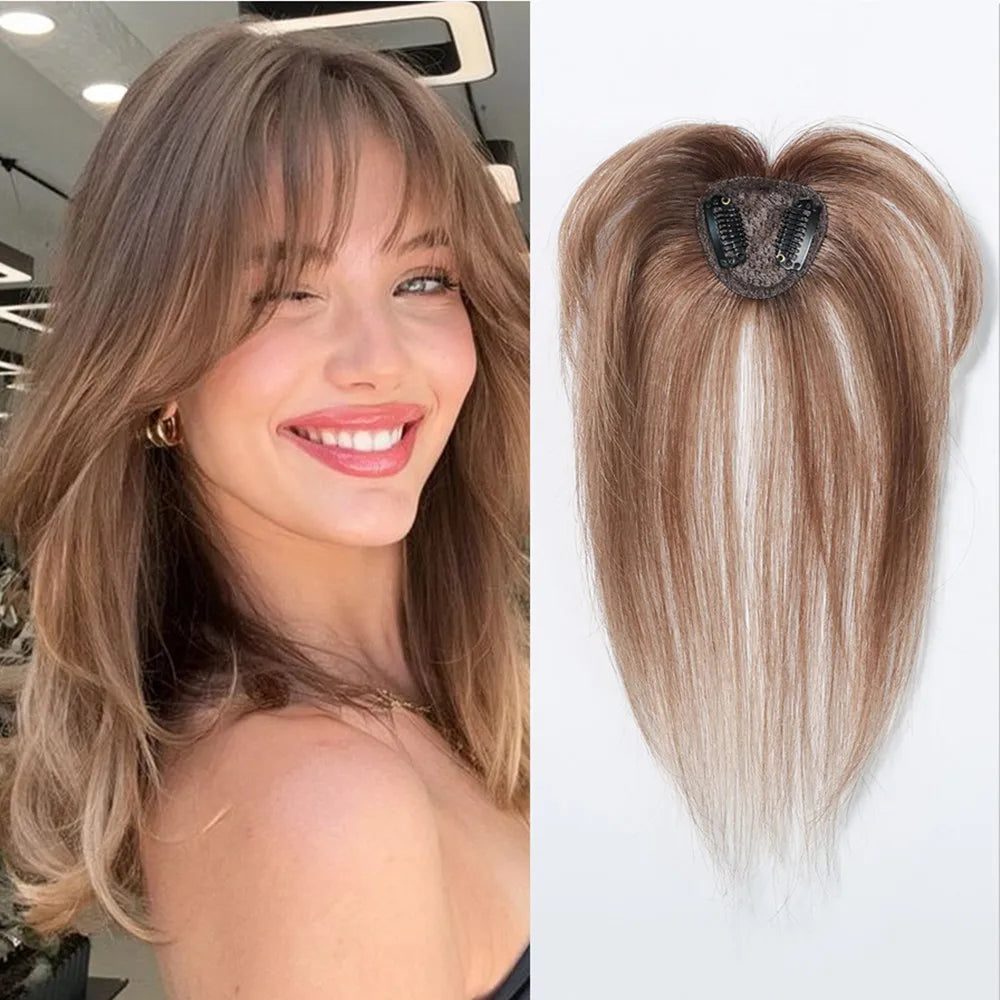

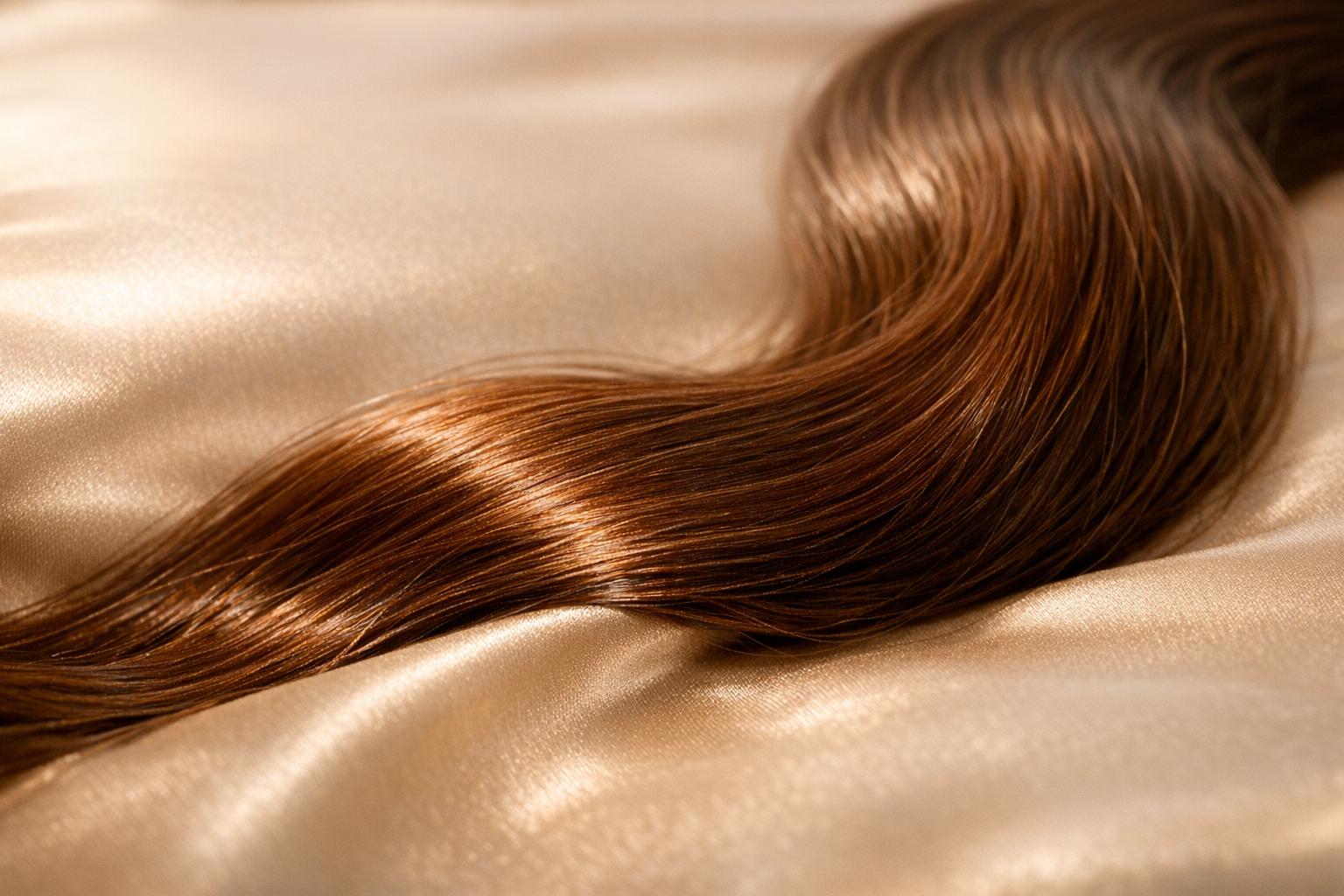
Silk can help protect your hair extensions by reducing friction, preventing tangles, and retaining moisture. Unlike cotton, silk provides a smooth surface that’s gentle on extensions, helping them last longer and look better. Here’s why silk is a smart choice:
- Reduces Friction: Silk’s smooth texture prevents snags and breakage, especially during sleep.
- Prevents Tangles: Cotton fibres can cause knots, while silk keeps extensions smooth and manageable.
- Locks in Moisture: Silk doesn’t absorb oils or treatments, keeping extensions hydrated and soft.
- Protects Bonds: Reduces stress on attachment points like tapes and wefts.
Switching to silk pillowcases, bonnets, or scrunchies can significantly improve the lifespan and appearance of your extensions. Choose high-quality mulberry silk with a momme weight of 19–22 for the best results.
How Silk Reduces Friction and Prevents Breakage
The Science Behind Friction Reduction
Silk's fibroin protein gives it a naturally smooth surface, unlike the textured finish of cotton, which tends to grip and catch hair. Cotton's uneven surface can tug at hair strands during sleep, while Mulberry silk allows hair to glide effortlessly, avoiding snags.
Hair cuticles are made up of overlapping scales, and rough fabrics can lift these scales, leading to tangles and breakage. Silk, on the other hand, helps keep the cuticles flat and aligned. This is particularly crucial for hair extensions, which lack the natural oils from the scalp that help repair and protect natural hair.
Friction creates drag, which can weaken the bonds holding extensions in place. Over time, this can loosen attachments and cause premature shedding. Studies show that the average person moves 40 to 50 times during sleep [5]. Each movement creates tiny friction events, which can add up to significant damage to both your hair and the bonds securing extensions [5]. Using silk nightly can greatly reduce this friction, helping to preserve the health of your extensions and protect your investment.
Protecting Extensions While You Sleep
A silk pillowcase is a great start for reducing friction, but a silk bonnet offers even better protection by fully enclosing the hair. This prevents extensions from rubbing against shoulders, bedding, or other surfaces that could cause damage during the night.
For the best results, choose 22-momme silk. Lower momme weights (such as 12–16) may lose their smooth texture after washing, but 22-momme silk retains its glide, ensuring long-term protection for your extensions [3][5]. Before going to bed, gently brush your extensions and secure them loosely with a silk scrunchie. Also, avoid sleeping on wet hair to minimise the risk of friction damage further.
sbb-itb-08feb2f
How Silk Prevents Tangling and Matting
Why Extensions Tangle Without Silk
Cotton pillowcases might feel soft, but their coarse fibres can wreak havoc on your hair extensions. As you move during sleep, these fibres grab onto the hair shaft, creating knots and putting unnecessary stress on the bonds or tapes that keep your extensions secure [1]. On top of that, cotton is highly absorbent, which means it pulls moisture and natural oils away from your hair. This leaves extensions dry, brittle, and far more likely to tangle.
Unlike your natural hair, extensions don’t benefit from the oils produced by your scalp [3]. Without that natural hydration, they’re more prone to dryness, which makes tangling even worse. Those tangles can quickly escalate into stubborn mats, especially near the roots where the extensions are attached.
"Cotton fibres grip the hair shaft as you move during sleep, which can lead to tangles and stress on the bonds or tapes of your extensions." - MYRN Silk [1]
Switching to silk can be a game-changer, as it reduces friction and helps retain moisture.
Keeping Extensions Smooth with Silk
Silk provides a smooth, low-friction surface that lets your extensions glide effortlessly as you sleep [1]. This reduces tugging and snagging, keeping tangles at bay and cutting down on the time you spend detangling in the morning.
For all-day protection, silk scarves and bonnets are excellent options. A silk bonnet, in particular, offers full coverage, shielding your extensions from rubbing against your shoulders, clothes, or other surfaces [4]. This is especially handy when travelling or relaxing at home. For the best results, choose silk products with a momme weight between 19 and 22, as this strikes the perfect balance between smoothness and durability [3].
"Since I started wearing a silk bonnet to bed, my tape-in extensions last so much longer. I used to get terrible tangles every morning and now my hair looks smooth and stays in place." - Bella C., Verified Customer [4]
Moisture Retention for Hydrated Extensions
Why Extensions Need Moisture
Unlike natural hair, extensions don’t benefit from the scalp’s natural oils. These oils, known as sebum, are what keep our hair soft and manageable. Extensions, however, are cut off from this natural source of hydration, leaving them entirely dependent on external moisture[3]. Without proper care, they can dry out, becoming brittle, frizzy, and tangled. This dryness weakens the hair strands, making them more prone to breakage and split ends. Silk, however, offers a solution by helping to maintain moisture, ensuring your extensions stay smooth and flexible.
How Silk Preserves Natural Oils
While cotton pillowcases might feel soft, they can actually strip your hair of moisture overnight. Any leave-in conditioners or serums you’ve applied can end up absorbed by the fabric, leaving your extensions dry and lifeless by morning.
"Cotton is naturally absorbent, and pulls essential moisture away from your scalp whilst you sleep. It also contains tiny fibres that can tug at your hair and extensions, causing frizz and breakage."
Silk works in a completely different way. Its smooth, non-absorbent surface helps lock in moisture by keeping oils and conditioning treatments on your hair instead of soaking into the pillowcase. Plus, silk is made from fibroin - a natural protein that’s also found in professional salon treatments. This protein helps maintain hydration, keeping hair moisturised naturally. Switching to 100% mulberry silk pillowcases or bonnets creates the perfect environment for your extensions, helping them retain moisture and stay soft, shiny, and healthy overnight[3].
Benefits of Using Silk For Healthy Hair & Skin Plus Prevent Wrinkles ft. Lilysilk-Beautyklove
Silk vs Satin: What's the Difference?
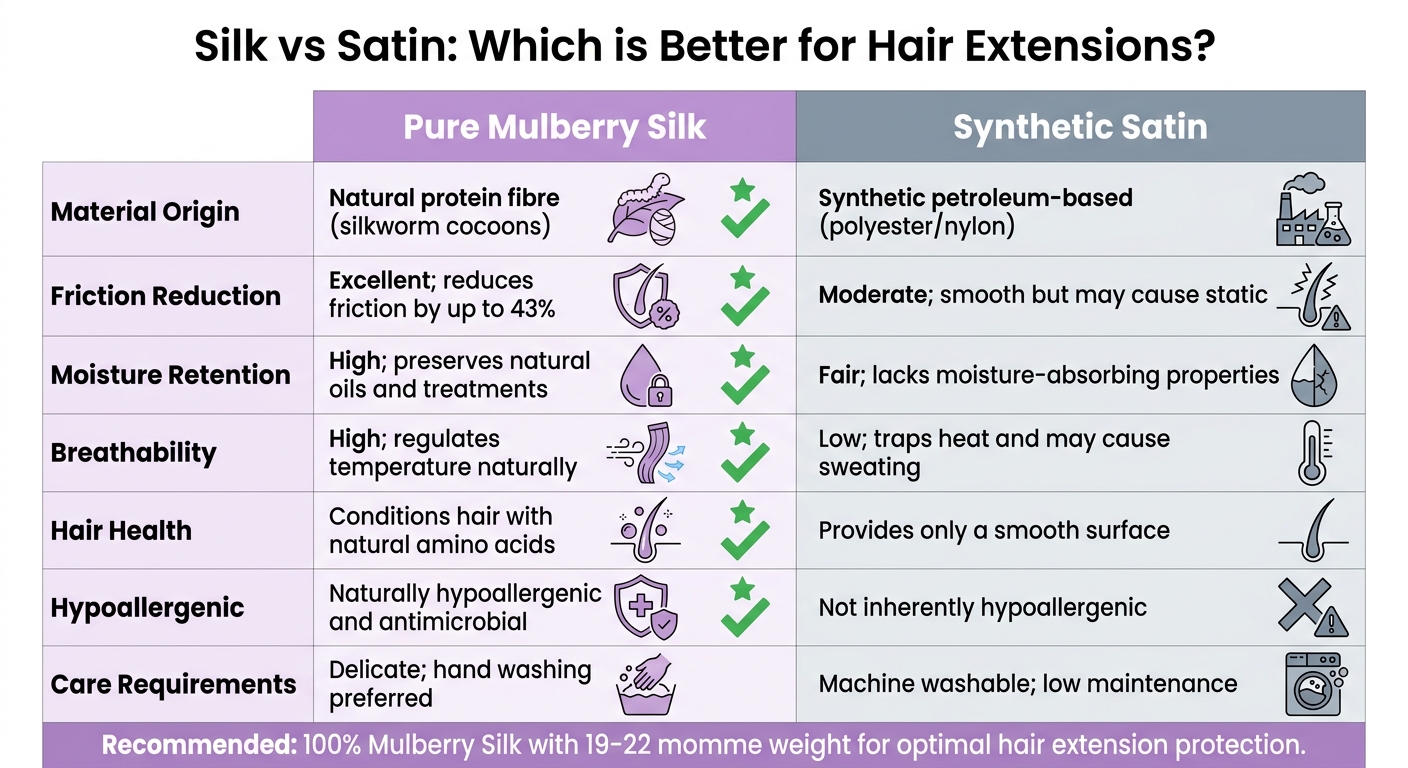
Silk vs Satin for Hair Extensions: Material Comparison Chart
Silk and satin may look and feel similar, but they are fundamentally different - and understanding these differences is key to maintaining your extensions. Silk is a natural protein fibre derived from silkworm cocoons and contains amino acids that benefit hair. Satin, on the other hand, refers to a type of weave, typically made from synthetic materials like polyester or nylon.
Why does this matter? Pure mulberry silk not only provides a smooth surface but also nourishes extensions thanks to its natural proteins. Satin, while smooth, lacks these conditioning properties. As Kendra Cosenza, Brand Manager at Mulberry Park Silks, explains:
"The key to understanding why certain fabrics are better for hair than others lies in the science of friction and moisture retention. When we sleep, our hair is in its most vulnerable state." [6]
This insight highlights why silk is often the fabric of choice for protecting extensions.
Silk offers other benefits as well. It naturally regulates temperature, keeping your scalp cool and comfortable while you sleep. In contrast, synthetic satin can trap heat, leading to sweating that may weaken extension bonds. Silk is also hypoallergenic and resistant to dust mites and mould, which helps maintain the integrity of your extensions over time.
When shopping for silk products, look for 100% mulberry silk, not "silky satin" or "silk-feel" fabrics, which are typically made from polyester. For optimal results, choose a momme weight between 19 and 22, with Grade 6A silk being the highest quality. Expect to pay between $67 and $105 for premium 22 momme silk pillowcases, while satin alternatives are usually under $20.
Comparison Table: Silk vs Satin
| Feature | Pure Mulberry Silk | Synthetic Satin |
|---|---|---|
| Material Origin | Natural protein fibre (silkworm cocoons) | Synthetic petroleum-based (polyester/nylon) |
| Friction Reduction | Excellent; reduces friction by up to 43% | Moderate; smooth but may cause static |
| Moisture Retention | High; preserves natural oils and treatments | Fair; lacks moisture-absorbing properties |
| Breathability | High; regulates temperature naturally | Low; traps heat and may cause sweating |
| Hair Health | Conditions hair with natural amino acids | Provides only a smooth surface |
| Hypoallergenic | Naturally hypoallergenic and antimicrobial | Not inherently hypoallergenic |
| Care Requirements | Delicate; hand washing preferred | Machine washable; low maintenance |
Choosing silk over satin can make a noticeable difference in maintaining the health and longevity of your extensions.
How to Use Silk Products with Hair Extensions
Building on silk's benefits, here's how to seamlessly incorporate these products into your daily routine.
Choosing the Right Silk Products
Silk can do wonders for protecting and maintaining your hair extensions, but picking the right products is key.
Start with silk pillowcases. These reduce friction by 43% compared to cotton, offering passive protection while you sleep [7]. Look for pillowcases made from 100% mulberry silk with a momme weight between 19 and 22 - this strikes the perfect balance between durability and smoothness [3].
For active sleepers or those with long, thick extensions, silk bonnets are a great option. High-quality 100% mulberry silk bonnets, which typically cost around $55.95, outperform synthetic satin versions by providing superior protection [4].
Silk scrunchies are another must-have. Unlike traditional elastic bands that can snag and damage extension bonds, silk scrunchies hold your hair securely without causing dents or breakage [8]. Similarly, silk headscarves are perfect for wrapping extensions overnight. They help preserve specific styles and prevent frizz while minimising friction and split ends [2].
Daily and Night-Time Care Routines
Incorporating silk into your daily and night-time hair care routine can make a big difference in maintaining your extensions.
Start your night-time routine by detangling your extensions. Use a soft-bristle or loop brush, working from the ends upward, to gently remove knots and buildup. Once detangled, secure your hair in a protective style. For tape-in extensions, a low, loose bubble ponytail with silk scrunchies minimises stress on adhesive bonds. For weft extensions, divide the hair into two sections and braid loosely to distribute weight evenly. If you wear clip-in extensions, always remove them before bed to avoid unnecessary tugging on your natural hair. To keep your extensions hydrated, apply a small amount of leave-in conditioner to the mid-lengths and ends, as extensions don’t benefit from natural scalp oils.
Avoid going to bed with wet extensions, as moisture can cause severe matting and weaken bonds. After drying and detangling, protect your hair by wearing a silk bonnet or wrapping it in a silk scarf. This ensures full coverage and reduces friction during sleep.
When travelling, pack a portable silk pillowcase to maintain low-friction sleep no matter where you are. Store silk accessories in breathable bags to prevent humidity buildup, and wash them by hand in cool water using a gentle, enzyme-free detergent. Let them air dry away from direct sunlight to keep the fibres intact.
Using Silk Protection with Silkara Hair Extensions

Why Silkara Hair Extensions Work Well with Silk
Silkara Hair extensions are made from high-quality human hair, which naturally lacks the oils produced by the scalp. This makes silk products an excellent choice for keeping your extensions in top condition and extending their lifespan.
Silk contains fibroin, a protein often found in salon treatments, which makes it a great match for premium human hair. Thanks to its non-absorbent nature, silk helps retain moisture and enhances the effects of leave-in treatments.
Hair extension expert Shantella Rios highlights the benefits:
Your hair is a natural fibre and using 100% silk headscarf is going to protect the hair... There's no friction that's going to cause split ends.[2]
Silk’s ultra-smooth texture also reduces tension on attachment points - whether tapes, clips, or wefts - helping extensions stay securely in place and minimising the risk of early shedding.
To complement these advantages, Silkara Hair provides accessories designed specifically to protect your extensions.
Silkara Hair Accessories for Silk Care
Silkara Hair offers a range of accessories to enhance your silk care routine and keep your extensions looking flawless.
- Detangling brushes: Perfect for gently removing knots before bed, ensuring your extensions are ready for silk protection.
- Silk scrunchies: These secure your hairstyles without creating unnecessary tension or damage.
- Silk storage bags: Ideal for keeping clip-ins and fringe pieces smooth and protected when not in use.
These accessories work hand-in-hand with silk products to maintain the quality and appearance of your hair extensions.
Conclusion
Silk products are a great way to protect your hair extensions and help them last longer. The smooth texture of silk reduces friction, which helps protect attachment points and minimises breakage. It also prevents tangling and matting, saving you time and effort detangling in the morning while reducing stress on your extensions.
Beyond reducing friction, silk helps retain essential moisture. Since hair extensions don't get natural oils from your scalp, they can easily dry out. Silk's non-absorbent, protein-based fibres help preserve hydration from leave-in treatments, keeping your extensions soft, shiny, and healthy-looking for longer.
For the best results, pair quality Silkara Hair extensions with silk pillowcases, bonnets, or scrunchies. This combination of premium human hair and silk care creates the perfect conditions to maintain your extensions between salon visits. In fact, your stylist might notice the difference at your next appointment, as extensions protected with silk often show less wear on bonds and tapes.
Incorporating silk into your routine is simple. Start with just one silk product - whether it’s a pillowcase, halo hair extension, or scrunchie - and you’ll quickly notice smoother, more manageable extensions. Using silk not only protects your extensions but also simplifies your daily care routine, keeping your extensions sleek and durable with minimal effort.
FAQs
Do I need a silk bonnet if I already use a silk pillowcase?
Using a silk pillowcase can work well for many people, as it helps reduce friction and keeps frizz under control. However, a silk bonnet offers added protection by completely covering your hair. This limits movement and cuts down friction even more, which is particularly beneficial for curly, textured, or delicate hair types. If you have fine or straight hair, a silk pillowcase alone might do the job.
What’s the best momme weight for silk with hair extensions?
When it comes to caring for hair extensions, the ideal silk momme weight usually falls between 22 and 25 momme. A 22 momme silk is prized for its softness, which helps minimise friction and tangling. On the other hand, 25 momme silk offers extra durability along with a luxurious texture. Both choices work wonderfully to maintain and protect hair extensions, keeping them in top condition.
How do I wash silk pillowcases and bonnets without ruining them?
To keep your silk pillowcases and bonnets in top condition, it's best to hand wash them. Use cold to lukewarm water (below 30°C) and a pH-neutral detergent specifically made for silk or delicate fabrics. If you prefer machine washing, select a delicate or silk cycle and stick to cold water.
Steer clear of regular detergents, bleach, or fabric softeners, as these can harm the fabric. After washing, gently press out excess water without wringing and let the items air dry. Lay them flat or hang them in a shaded spot to preserve their quality.