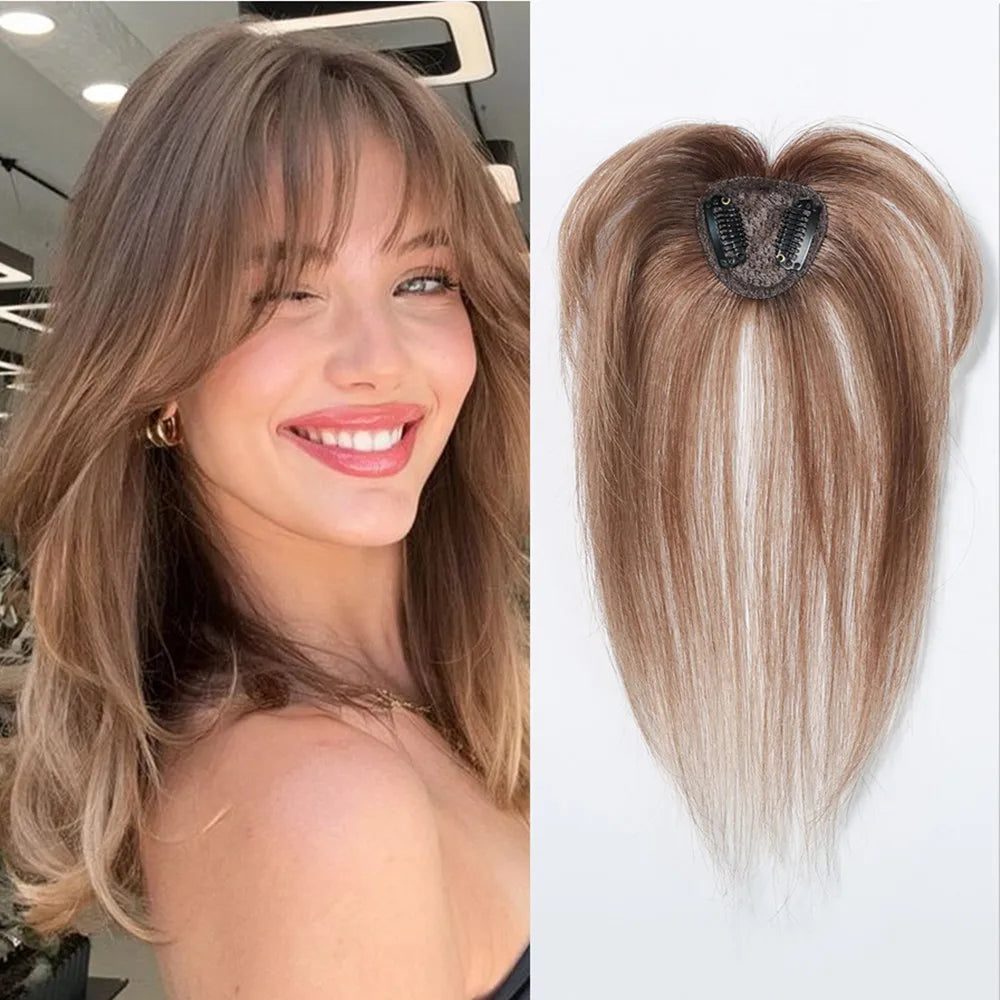

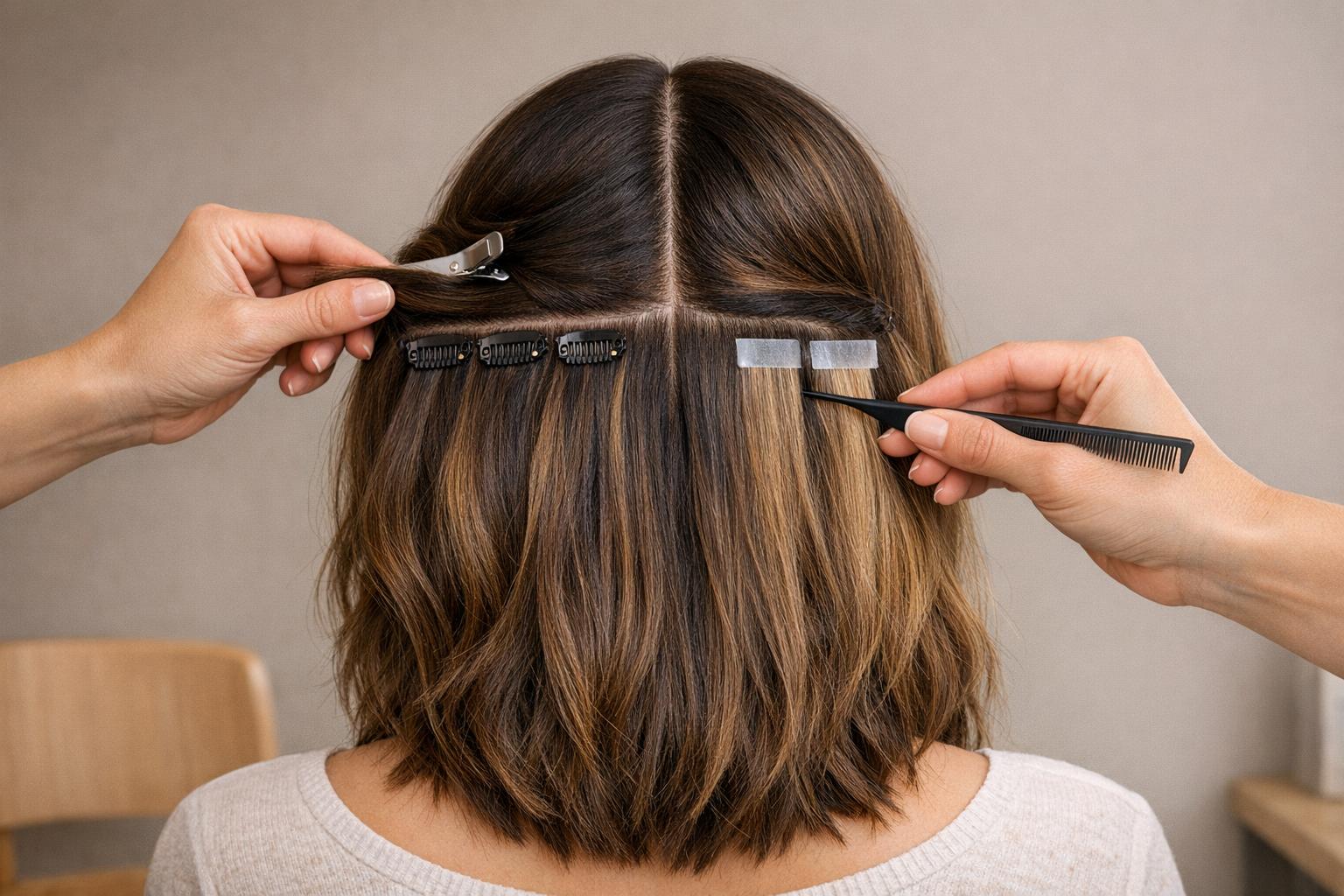
When choosing between clip-in and tape-in hair extensions, it boils down to how often you wear them, your hair type, and your budget. Here's the quick breakdown:
- Clip-in extensions are temporary, easy to apply at home, and cost-effective, ranging from A$200–A$600. They're ideal for occasional use but need daily removal.
- Tape-in extensions are semi-permanent, professionally applied, and last 6–8 weeks. They cost more upfront (A$600–A$1,500) and require regular maintenance, making them better for everyday wear.
Quick Comparison
| Factor | Clip-In Extensions | Tape-In Extensions |
|---|---|---|
| Attachment | Clips | Adhesive strips |
| Application | DIY (5–30 mins) | Professional (60–90 mins) |
| Wear Duration | Temporary (daily removal) | Semi-permanent (6–8 weeks) |
| Cost | A$200–A$600+ | A$600–A$1,500 (includes install) |
| Maintenance | Minimal, at home | Salon visits every 6–8 weeks |
| Hair Type | Best for thicker hair | Works well with fine hair |
Choose clip-ins for flexibility and affordability. Opt for tape-ins if you want a long-term, low-effort solution. Your lifestyle and budget are key in making the right choice.
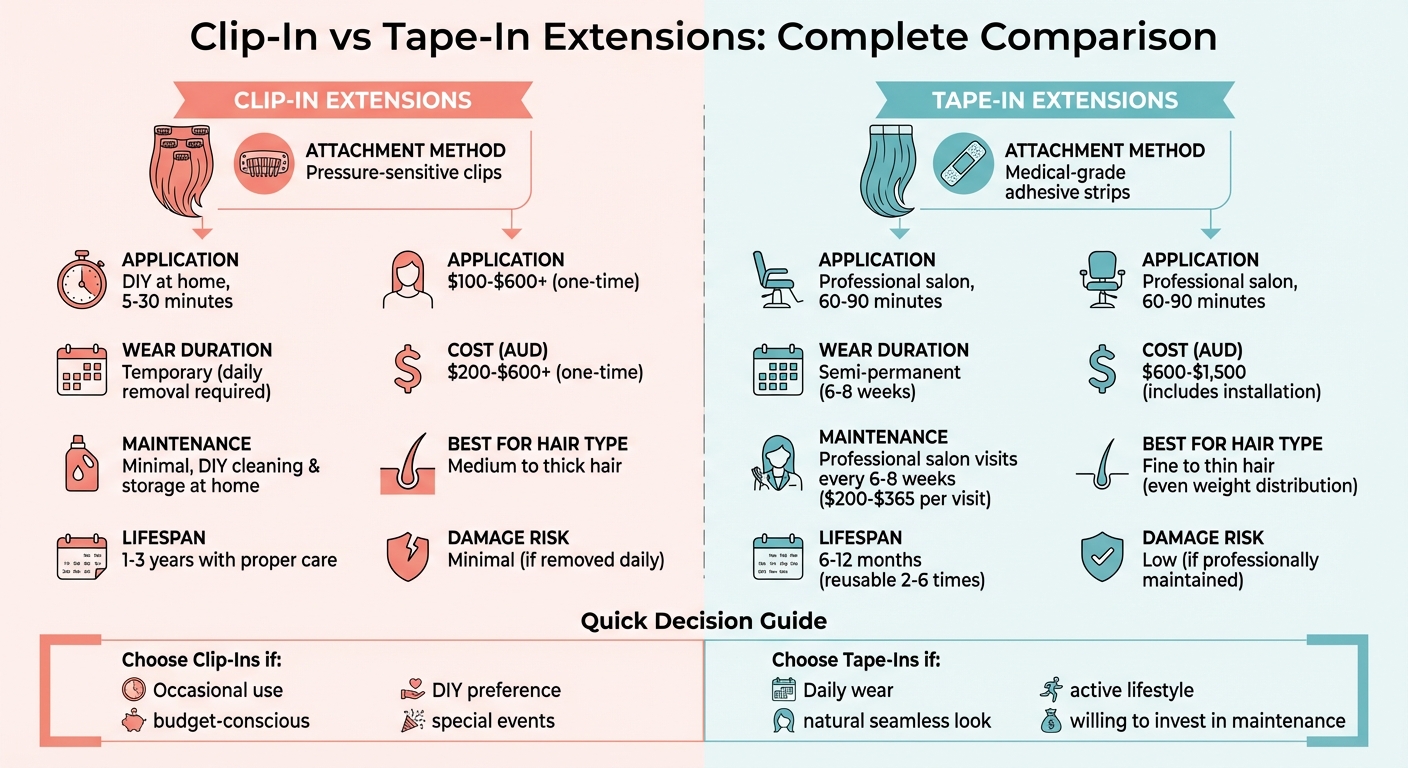
Clip-In vs Tape-In Hair Extensions Comparison Chart
Clip-in VS Tape-in Extensions / Q&A
sbb-itb-08feb2f
How Clip-In Extensions Work
Clip-in extensions are made of hair wefts attached to small metal pressure clips that snap open and shut. These clips allow you to secure the extensions to your natural hair without needing adhesives, heat, or chemicals [4][6]. Their simple design makes them perfect for an at-home application - no salon visit required.
Application Process
Applying clip-ins is simple and usually takes just 5 to 10 minutes once you get the hang of it [4]. You'll need a few tools: a mirror, a pintail comb for sectioning, a detangling brush, and some sectioning clips to hold your hair in place [6].
Start with clean, dry hair. If your hair is fine, a bit of dry shampoo or texturising spray can help the clips stay in place [6]. Use the pintail comb to create a horizontal part about an inch above the nape of your neck. Then, gently tease the roots at that section to create a secure base for the clips [4][6].
Snap the clips open, press them into the teased roots, and close them firmly. Work your way upward, starting at the nape and moving toward the crown. Use the wider wefts for the middle sections of your head and smaller wefts for areas near the temples [6]. Once all the wefts are secured, brush through your hair and style it - curling or waving can help blend the extensions seamlessly [6].
"Clip-ins are essentially do it yourself extensions. Apply them in minutes from home – perfect for busy schedules or last-minute events." - Heather Collier, Cliphair [6]
After application, it's important to remove them properly at the end of the day to keep your hair healthy.
Wear Time and Removal
Clip-in extensions are meant for temporary use, typically worn for 12 to 16 hours at a time [4]. They should always be removed before sleeping, showering, or swimming to prevent tangling and damage [4][5]. To take them out, unclip each weft starting from the bottom and work your way up. Once removed, store the wefts flat or gently coiled in a clean, dry place [6].
This daily removal routine makes clip-ins one of the gentlest extension options available, as it allows your scalp to rest from any tension [5]. With proper care, a high-quality set made from 100% Remy human hair can last anywhere from 1 to 3 years [4].
How Tape-In Extensions Work
Tape-in extensions are applied using thin wefts pre-coated with a medical-grade adhesive. Unlike temporary options like clip-ins, these extensions are semi-permanent, designed to stay in place for several weeks at a time.
Professional Application Required
Tape-in extensions must be installed by a professional stylist. The process involves the "sandwich method", where a small section of your natural hair is placed between two adhesive-coated wefts. Each weft is about 4 cm wide and weighs 2 grams, evenly distributing the weight to minimise strain on your hair follicles.
The stylist positions the wefts approximately 0.6 cm away from the scalp. This spacing allows for natural movement while reducing tension on the hair roots. Once the hair is sandwiched between the adhesive strips, firm pressure is applied for 5–10 seconds to secure the bond. Some stylists also use a flat iron on low heat to reinforce the adhesive. The entire application process for a full head typically takes around one hour [8][9].
"The adhesive used in professional tape extensions is specifically formulated for hair applications, utilising cyanoacrylate-based compounds similar to those approved by medical authorities for wound closure." – Jadore Hair Supplies [9]
To ensure the adhesive sets properly, it's recommended to avoid washing your hair for 48 to 72 hours after installation.
Duration and Maintenance
Tape-in extensions are designed for daily activities, including sleeping, showering, exercising, and even swimming. They usually last 6 to 8 weeks before requiring maintenance [5]. As your natural hair grows, the extensions move further from the scalp, which can lead to tangling or matting if not maintained.
Maintenance involves a professional removing the extensions using a specialised alcohol- or oil-based solution. The old adhesive is cleaned off, new tape tabs are applied, and the wefts are repositioned closer to the roots [10]. In Australia, these appointments typically cost between A$200 and A$365. The upside? High-quality Remy human hair tape-ins can be reused 2 to 6 times, lasting 6 to 12 months with proper care [9].
For at-home care, stick to sulphate-free and oil-free products around the adhesive bonds. Oils and harsh chemicals can weaken the tape, causing the extensions to slip or fall out [9]. Next, we’ll compare these features with the application and upkeep of clip-in extensions.
Clip-In vs Tape-In: Direct Comparison
Now that we've gone through how each type of extension works, let's break down the key differences. These distinctions can influence both your daily routine and your budget.
Clip-ins are perfect for DIY enthusiasts. You can apply them yourself in about 5 to 30 minutes from the comfort of your home - no professional help needed [2]. On the other hand, tape-ins require a salon visit, with installation taking around 60 to 90 minutes by a professional [3].
The costs also vary significantly. Clip-ins typically cost between A$200 and A$600+ upfront, with no ongoing salon expenses [2]. Tape-ins, however, start at A$600 and can go up to A$1,500, which includes both the hair and professional installation. Keep in mind, tape-ins also require maintenance every 6 to 8 weeks, which adds to the overall cost [3].
This comparison underlines the main differences that could affect your lifestyle and financial commitment.
Comparison Table
Here’s a quick summary of the key differences between clip-in and tape-in extensions:
| Factor | Clip-In Extensions | Tape-In Extensions |
|---|---|---|
| Attachment Method | Pressure-sensitive clips | Medical-grade adhesive strips |
| Application Time | 5–30 minutes (DIY) | 60–90 minutes (Professional) |
| Wear Duration | Temporary (Daily removal) | Semi-permanent (6–8 weeks) |
| Maintenance Needs | DIY cleaning & storage | Professional refits & sulphate‑free care |
| Cost (AUD) | A$200 – A$600+ | A$600 – A$1,500 (includes install) |
| Damage Risk | Minimal (if removed daily) | Low (if professionally maintained) |
| Reusability | Up to 12 months | 6–12 months (with refits) |
With proper daily care, clip-ins can last beyond 12 months. Ultimately, your lifestyle and how often you plan to use extensions will help you decide which option works best for you.
Clip-In Extensions: Pros and Cons
Clip-in extensions are a favourite for anyone who loves to switch up their hairstyle without a big commitment. They offer a lot of flexibility, but like any beauty choice, they come with their own set of advantages and challenges. Here's a closer look to help you decide if they're right for you.
Benefits
Clip-in extensions are all about convenience and versatility, and they come with some standout perks:
- Quick and easy application: You can apply them yourself in just 5–15 minutes - no salon visit needed. Plus, they’re budget-friendly, costing around A$100–A$300 upfront [4].
- No long-term commitment: Want to try a new length or colour? Clip-ins let you experiment without the hassle of chemicals or permanent changes [4].
- Gentle on your hair: Since they don’t rely on adhesives or heat, clip-ins are less likely to cause damage. High-quality options, like 100% Remy hair, can last 1–3 years with proper care - washing every 15–20 wears and avoiding regular salon maintenance [4].
"Clip-ins are the go-to if you want flexibility above everything else. They're perfect for someone who doesn't want extensions every day but loves having the option when they want extra volume or length." – Priyanka Swamy, Founder, Perfect Locks [4]
Drawbacks
Despite their flexibility, clip-in extensions also have a few downsides to consider:
- Daily removal: Unlike permanent extensions, clip-ins need to be taken out before sleeping, showering, or swimming [4].
- Stability issues: They’re not the most secure option during intense activities. Whether you’re hitting the gym or braving a windy day, clip-ins can shift or slip. If your hair is smooth, you might need to backcomb or use a texturising product for extra grip [4].
- Visibility concerns: If you have fine or thin hair, the clips might be noticeable, especially in updos or high ponytails. Plus, repeatedly clipping them in the same spot can cause tension-related thinning over time [4].
Tape-In Extensions: Pros and Cons
Tape-in extensions provide a semi-permanent solution for adding length and volume to your hair, but they do come with their own set of requirements, including professional application and consistent upkeep.
Benefits
Tape-in extensions offer a sleek, low-maintenance option for enhancing your hair. Their flat wefts lie close to the scalp, making them blend effortlessly with natural hair for a nearly undetectable finish. Plus, they distribute weight evenly, which helps minimise strain on your scalp. The application process is relatively quick, taking about 45–60 minutes for a professional to complete. Once installed, they can last up to 6–8 weeks before needing adjustment. If you opt for high-quality Remy tape-ins and care for them properly, they can be reused for 6–12 months.
"Tape-in extensions are known for looking the most natural. They lie flat against the scalp and blend seamlessly with your natural hair." – Cliphair [5]
These features make tape-ins a popular choice for those looking for a natural, polished look.
Drawbacks
Despite their benefits, tape-in extensions come with some challenges. First, they demand regular salon visits for maintenance. Every 6–8 weeks, you'll need to have them professionally removed and reapplied, a process that involves medical-grade solvents and can be time-consuming.
Additionally, there are limitations on how you can care for and style your hair. Sulphate-free shampoos are a must, and you’ll need to avoid applying oils, heavy conditioners, or serums near the tape bonds as these can weaken the adhesive. Heat styling tools also require caution - direct heat can damage the tapes. Certain hairstyles, like high ponytails or intricate updos, may reveal the flat tabs, which can detract from the seamless look.
While tape-ins offer a natural appearance and convenience, their upkeep and styling restrictions might not suit everyone.
Choosing Between Clip-In and Tape-In Extensions
Your decision will hinge on how often you plan to use extensions, your hair type, and your budget. Let's break it down to help you figure out which option fits your needs.
Lifestyle and Usage Frequency
Your daily habits play a big role in choosing the right extensions. Clip-ins are perfect for occasional use - think weddings, a night out, or whenever you want a quick style upgrade. They’re easy to install on your own, but you’ll need to remove them before bed, showering, or swimming to avoid tangling or damage [2][5].
Tape-ins, on the other hand, are ideal for those seeking a more long-term solution. Once applied by a professional, they stay in place for 6–8 weeks, making them great for daily wear. They’re secure enough for active lifestyles, whether you’re hitting the gym or taking a dip in the pool [2][5]. Essentially, clip-ins are the go-to for short-term use, while tape-ins cater to those wanting a consistent, everyday look.
Next, let’s see how each option works with different hair types.
Hair Type Compatibility
If you have fine or thin hair, tape-ins are often the better choice. Their flat design sits close to the scalp, distributing weight evenly to minimise strain, and they’re nearly invisible. Clip-ins, however, might feel bulky on finer hair and could put undue pressure on delicate roots [12][14].
For medium to thick hair, both clip-ins and tape-ins are viable. Clip-ins, in particular, blend seamlessly with thicker hair, as it easily hides the clips [11][12].
Now that you’ve matched the extensions to your hair type, it’s time to weigh up the costs.
Cost Comparison
Clip-ins are typically more affordable upfront and don’t require salon visits. At Silkara Hair, premium clip-in human hair extensions start at approximately $132 AUD for 10–16 inch lengths, while 18–24 inch lengths are priced from $239 AUD [7]. With proper care, these extensions can last a year or more [2].
Tape-ins, however, involve both initial and ongoing costs. Silkara Hair’s premium Remy tape-in extensions start at around $133 AUD for a 20-piece set, while 40-piece sets begin at $225 AUD [13]. You’ll also need to factor in the cost of professional application and maintenance every 6–8 weeks. While the extensions can be reused for 6–12 months with good care, the recurring salon visits add to the overall expense [1][5].
For those on a budget or needing extensions only occasionally, clip-ins are a cost-effective choice. But if you’re looking for a natural, everyday style and are okay with regular upkeep, tape-ins may offer better long-term value per day of wear [2][5]. Plus, with Silkara Hair’s extensive selection of both clip-in and tape-in extensions - rated 4.8/5 stars by over 1,000 Australian women - you’re sure to find a high-quality option that fits your lifestyle [7][13].
Conclusion
When deciding between clip-in and tape-in extensions, it boils down to three key considerations: how often you plan to wear them, your hair type, and your budget.
Clip-in extensions are perfect for occasional use and can be applied at home in just 5–15 minutes. With an upfront cost of $100–$300 and no ongoing salon appointments, they’re a budget-friendly option. They tend to work best with medium to thick hair and, with proper care, can last anywhere from 1 to 3 years [4].
On the other hand, tape-in extensions require professional installation, which usually takes 45–90 minutes. They need to be refitted every 6–8 weeks, making them a higher-maintenance choice. These extensions are ideal for fine or thin hair, as they lie flat against the scalp and distribute weight evenly. However, the ongoing costs can add up - expect to spend $75–$150 every 6–8 weeks, with an annual cost ranging from $800 to $1,500 [4].
Your decision ultimately depends on your lifestyle and how much upkeep you're willing to manage. If you want a polished, seamless look with minimal daily effort, tape-ins are a great option. But if you’re looking for a temporary, cost-effective solution for special occasions, clip-ins are the way to go [2].
FAQs
Which option looks more natural in real life?
Tape-in extensions offer a sleek and natural finish, as they sit flat against the scalp and blend effortlessly with your natural hair. This makes them a great option if you're after a realistic, long-lasting look. On the other hand, clip-ins are known for their versatility and ease of removal, but the clips can sometimes be more visible, especially if not blended properly. For daily use, tape-ins tend to be the preferred option.
Can I exercise and swim with these extensions?
Yes, you can absolutely exercise and swim with hair extensions, but taking care of them is key to keeping them in good shape. If you're heading into chlorinated or salt water, try to protect your extensions - wearing a swim cap can help. After swimming, rinse your hair thoroughly and follow up with a good conditioner to keep it hydrated. Also, avoid leaving your hair exposed to the sun for too long, as it can cause dryness.
For clip-in or tape-in extensions, make sure they’re securely fastened before any activities. Limit their exposure to harsh chemicals or excessive sunlight to keep them looking their best. With a little extra attention, you can enjoy your favourite activities without worrying about your extensions.
How do I choose the right colour and length?
To pick the right colour and length for your hair extensions, start by matching the extension colour to your natural hair. If you're after a softer, more blended look, going for a slightly lighter shade can work wonders. When it comes to length, think about your current hair and the style you’re aiming for - extensions usually come in lengths between 18 and 22 inches. Many brands, such as Silkara Hair, even provide colour match guarantees to ensure you find the perfect shade.